
CANBERRA — A classified government document accidentally leaked this week via a printer left logged in at a suburban Officeworks has revealed the true motivation behind Australia’s proposed under-16 YouTube ban: ensuring children finally experience gambling advertisements “the way nature intended — unskippable, emotionally confusing, and during prime family viewing hours.”
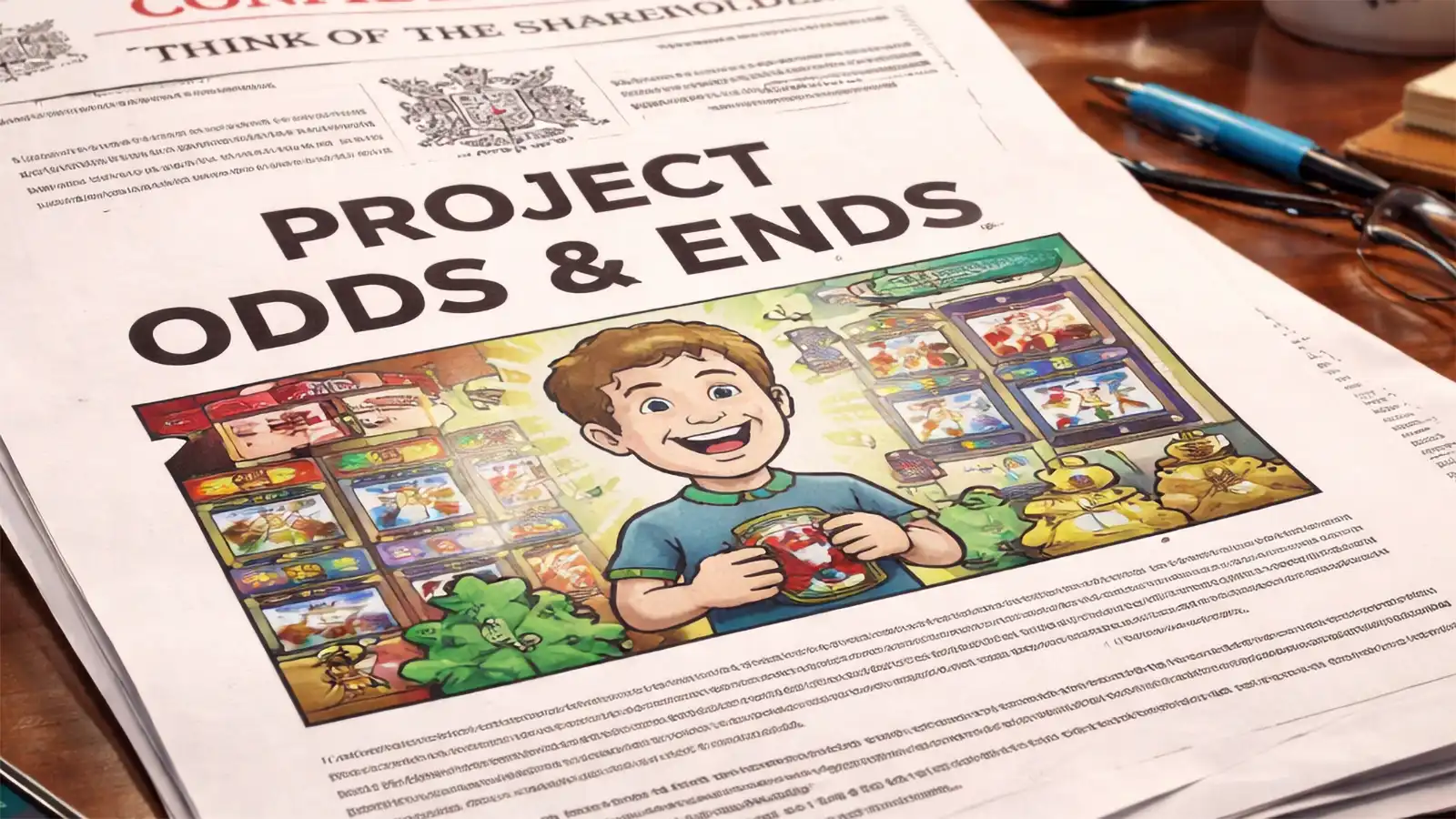
The 43-page document, stamped “CONFIDENTIAL: THINK OF THE SHAREHOLDERS”, outlines a bold national strategy titled Project Odds & Ends, which recommends removing minors from “overly educational, interest-driven platforms” like YouTube and redirecting them toward traditional broadcast television, live sport, and free-to-air streaming services where “a healthy saturation of betting promotions can occur organically.”
According to the leak, YouTube’s algorithm was flagged as “problematic” because it insisted on showing children videos about Minecraft redstone, space facts, history explainers, and in one alarming case “a 12-year-old learning how interest rates work.”
“This kind of content undermines the Australian economy,” the document states. “If children learn patience, creativity, or delayed gratification, they may grow into adults who don’t place $50 on a multi involving three obscure European leagues.”
A senior official, speaking on condition of anonymity and the promise of a free sports bet, confirmed the findings. “Look, YouTube gives kids choice,” the official said. “Choice is dangerous. On free-to-air TV, we choose for them, usually between SportsBet, Ladbrokes, or that other one with the loud guy who looks like he hasn’t slept since the 2010 grand final.”
The report highlights that during a single AFL match, a child can be exposed to gambling odds before kickoff, during commentary, at halftime, after goals, and again immediately after the siren “just in case they somehow missed the message that sport is meaningless without wagering.”
By contrast, YouTube’s skippable ads and content moderation were described as “anti-Australian.” One section criticises the platform for allowing users to click “Skip Ad,” calling it “a gateway behaviour to skipping responsibility, authority, and eventually betting altogether.”
The government has publicly framed the ban as a child-safety measure, citing concerns about harmful content. Internally, however, the leaked strategy notes that children are already protected from gambling ads online — a situation the authors call “untenable.”
“There’s a whole generation growing up thinking sport is about athletic achievement,” the document warns. “We need to re-centre the narrative around odds, margins, and same-game multis.”
Industry representatives were reportedly consulted extensively. One anonymous lobbyist praised the initiative. “This is about balance,” he said. “Kids can still learn on YouTube when they’re adults. But right now, what they need is to understand that every moment of joy should be monetised.”
Parents across the country expressed confusion. “I thought this ban was about protecting kids,” said Brisbane mum Karen D. “But now my son just watches the footy and keeps asking what ‘gamble responsibly’ means. He’s nine.”
When asked about the contradiction, a government spokesperson reassured the public. “We take child wellbeing very seriously,” they said. “That’s why we’re moving them away from user-generated content and toward professionally produced gambling advertisements regulated by… well… us.”
The policy is expected to pass with bipartisan support, as both major parties agreed the leak was “deeply concerning” and promised to launch a full investigation into “who left the printer unsecured,” while reaffirming their commitment to “protecting children from YouTube.”
At press time, YouTube had no comment, calling the findings “crazy to think about,” while free-to-air networks announced a new children’s programming block titled Odds Before Bedtime.