


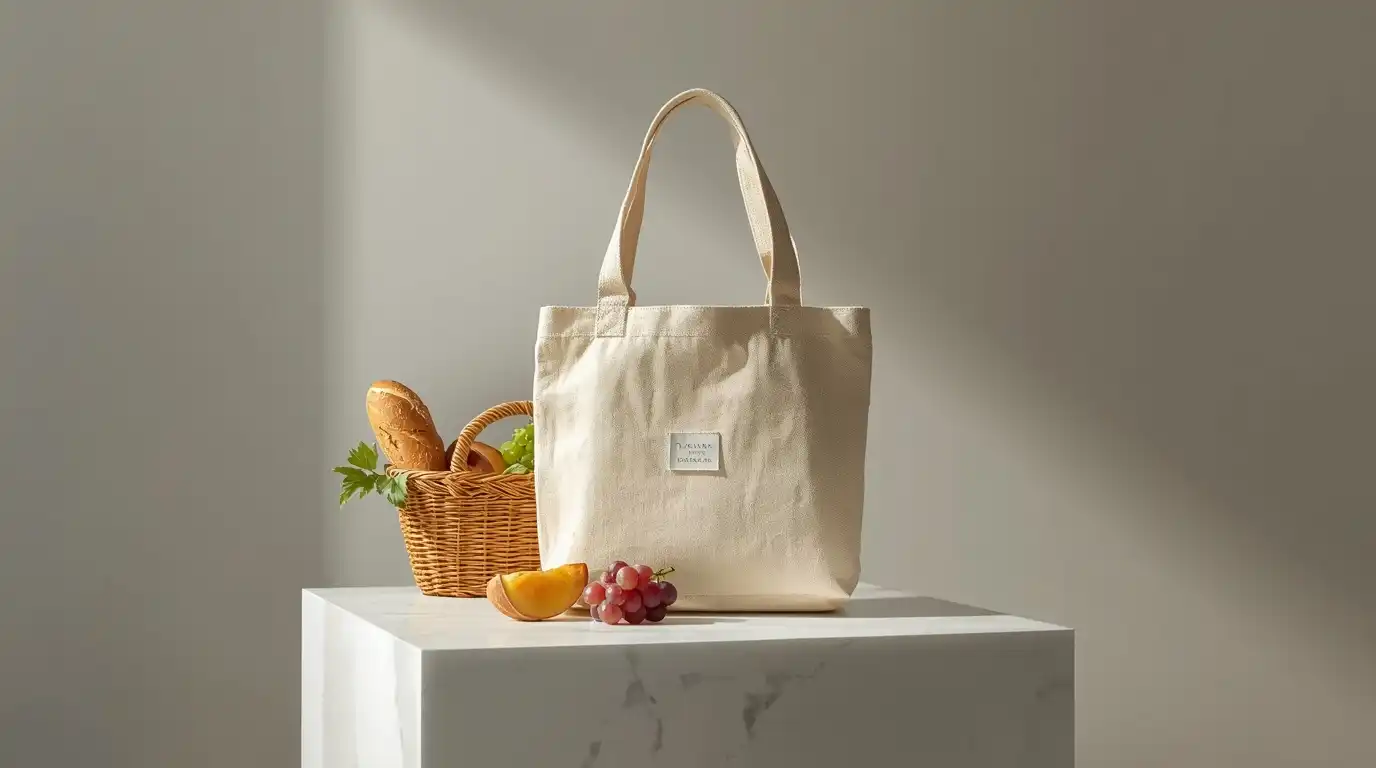
In a move analysts immediately praised as “the bravest act of philanthropy since surge pricing,” heritage fashion house Maison Déficit has unveiled a $400 reusable shopping bag designed to combat what it calls “acute shareholder poverty.”
The tote—crafted from “vegan-calfskin” (a phrase the brand insists is both accurate and spiritually true)—arrives as households juggle rising costs and the lingering suspicion that their groceries now come in micro-portions labeled “artisanal scarcity.” Maison Déficit’s creative director, Céleste Margin, said the bag “reconciles sustainability with the dignity of dividends,” noting each purchase contributes 0.03% of net feelings toward responsible capitalism.
Early adopters lined up outside boutiques worldwide, clutching loyalty cards and moral alibis. “It’s not just a bag,” said influencer and part-time austerity lifestyle coach @MinimalistMaxi, posing beside a refrigerated wall of imported cloudberries. “It’s a portable wealth redistribution device—from me to them.”
The brand’s press kit touts recycled ocean plastics woven together by “heritage robots” in a carbon-neutral atelier powered by limited-edition wind. Each tote ships with a QR tag linking to a blockchain certificate of “Sustaina-Truth™,” confirming your bag was hand-admired by at least three executives and mildly blessed by a sustainability consultant on retainer.
Critics accused the company of greenwashing with a high-gloss finish. Maison Déficit countered by offering a $40 refillable dust bag, a $90 leather conditioner “made of memories,” and a $1,200 “Bag Assurance Plan” that promises concierge stitching should your conscience split at the seams. A limited “Cost-of-Living Couture” edition—identical to the original except for a tiny gold charm shaped like a tax haven—is already sold out.
Economists remain divided. Some say higher tote prices will trickle down as “vibes-based prosperity.” Others point to the brand’s quarterly filings, which list “human dignity” under “intangible assets” and “hope” under “miscellaneous write-offs.”
At launch, each bag includes a fold-out manifesto on “Closing the Revenue Gap You Created by Shopping Here,” plus a coupon for five cents off if you decline a paper receipt. “We’re not just selling a product,” said CEO Laurent de Yield in a hushed tone usually reserved for museum whispers and interest-rate announcements. “We’re selling the feeling that you’re doing something—anything—while we do everything.”